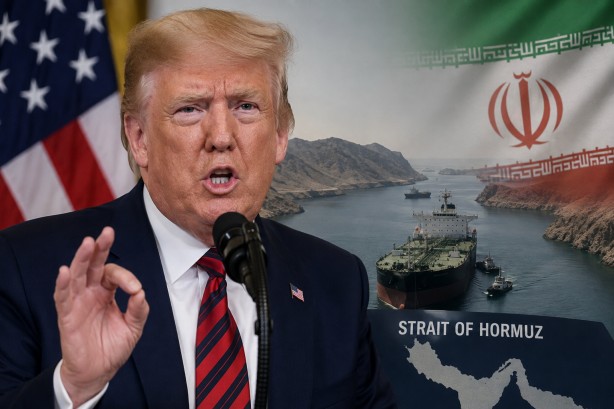
Iran has issued a stern warning to Gulf states, indicating that any new military action by the United States on Iranian soil would provoke retaliatory strikes targeting critical energy infrastructure throughout the Gulf region. This development comes after discussions reportedly held by Iranian Foreign Minister Abbas Araqchi with senior officials from Saudi Arabia, Qatar, Turkey, and Pakistan. In these talks, Iran underscored its position that any attack would be met with a swift response against U.S. assets and key energy facilities in the area.
The warning from Tehran follows a recent statement by U.S. President Donald Trump, who threatened to target Iran’s energy infrastructure. While Iran has emphasized its preference for diplomacy, it remains prepared to defend itself if attacked. The situation has prompted Saudi Arabia to urge the United States to focus on negotiations in order to de-escalate tensions, while also making it clear that the kingdom would take necessary measures to protect its own territory in the event of an assault.
In detailing its potential response, Iran has suggested it could target various elements of regional infrastructure, including oil facilities, refineries, power grids, water systems, transport networks, and oil fields, if another U.S. strike occurs. This scenario raises significant concerns about the possible impact on Gulf energy supplies and the broader stability of the region, particularly if hostilities were to resume.
As the situation unfolds, regional leaders are continuing to advocate for diplomatic solutions to prevent the escalation of a conflict that poses a threat to the global energy market. The emphasis remains on avoiding a wider confrontation that could have far-reaching consequences for both regional and international stability.