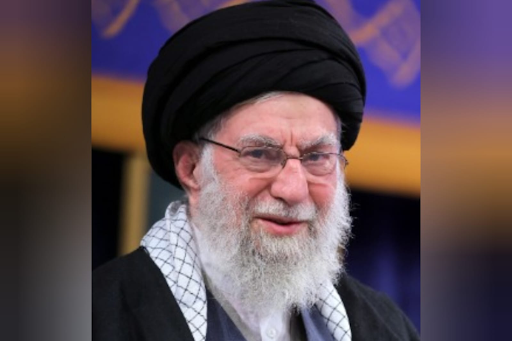
The question dominating capitals from Washington to Beijing is not whether Iran will survive the death of its Supreme Leader, but what kind of Iran will emerge from the transition. Constitutional mechanisms are functioning, the military is unified, and key political figures have already stepped forward — yet the road ahead is anything but clear.
Ali Larijani, the Secretary of the Supreme National Security Council, has become a central figure in managing both the wartime response and the succession process. A three-member council comprising President Pezeshkian, the judiciary chief, and a senior cleric has assumed executive leadership responsibilities on a temporary basis.
The IRGC’s role in shaping what comes next cannot be overstated. The organization has spent decades accumulating political and economic power, and its surviving commanders now sit at the table where Iran’s most consequential decisions are being made. Whoever becomes the next Supreme Leader will likely operate in a more constrained role than Khamenei did.
Internationally, the death of Khamenei has created new diplomatic fault lines. Russia mourned him as a statesman; China condemned the manner of his death; Western governments largely remained silent or issued measured statements. The absence of a unified international response reflects the deeply polarized nature of global politics.
The nuclear question looms over everything. Khamenei’s fatwa against nuclear weapons was a cornerstone of Iran’s diplomatic identity. With that anchor gone, the calculus may shift — especially given that a senior Iranian official stated in April 2025 that nuclear doctrine could be reconsidered if Iran needed to defend itself.