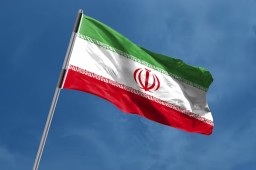
Iran officially dismissed a US-backed ceasefire plan on Wednesday and responded with a rival set of demands, throwing the latest diplomatic push into uncertainty. Officials in Tehran said they retained the right to decide when the conflict ends and on what terms. The rejection came even as multiple regional powers, including China, Egypt, Turkey, and Pakistan, urged both sides toward the negotiating table.
The American plan, reportedly containing 15 points, had been delivered through Pakistan and was said to include demands related to Iran’s nuclear capabilities, its missile programme, and the status of the Strait of Hormuz. Tehran called it one-sided and excessive. Foreign Minister Abbas Araghchi said the proposals had been passed up to senior Iranian authorities, but that the country was not currently interested in formal negotiations.
Iran’s own five-point response set out the terms under which it might consider stopping the fighting: an end to attacks and targeted killings of its officials, guarantees of no future wars, compensation for damage caused, and recognition of its control over the Strait of Hormuz. Iranian officials have long viewed the Strait as a strategic asset and are unlikely to negotiate it away. These positions, while coherent from Tehran’s perspective, represent enormous obstacles for any potential deal.
President Trump’s public statements contradicted the official Iranian line. Speaking at a fundraiser, he claimed Iran was actively trying to negotiate but was afraid to admit it publicly, fearing domestic backlash. China’s foreign minister, engaging separately with Egyptian and Turkish counterparts, expressed cautious optimism, noting that signals from both Washington and Tehran suggested willingness to talk. Pakistani and Egyptian officials suggested in-person talks could begin within days.
Military operations intensified in parallel with the diplomatic maneuvering. Iran fired missiles and drones at Israel and multiple Gulf states. Israeli warplanes struck locations across Iran including a submarine development facility near Isfahan. The US continued deploying additional troops to the region, including elements of the 82nd Airborne Division, sparking speculation about a possible ground operation. Iran warned it would respond to any landing with massive force, even if it meant destroying its own infrastructure.