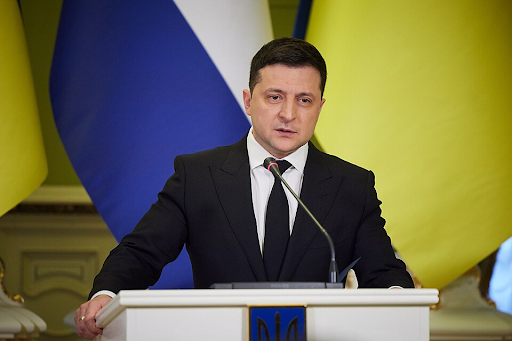
Ukraine has achieved something remarkable in the economics of modern warfare: it has developed a drone-killing system so affordable that it is transforming how nations think about air defense. President Zelenskyy’s announcement that Ukraine will share this technology with the US and Middle Eastern allies has put these systems in the international spotlight.
The technology emerged from necessity. Since Russia began its full-scale invasion, Ukraine has been targeted by tens of thousands of Iranian-made Shahed drones. At one point, a single Russian barrage exceeded 800 drones in one night. This relentless assault forced Ukrainian engineers to find solutions that were both highly effective and cheap enough to produce at scale.
The result is a family of interceptor drones that can hunt and destroy incoming Shaheds for as little as $1,000 per unit. The contrast with conventional air defense systems is stark. When Poland scrambled F-35 and F-16 fighter jets along with Black Hawk helicopters to intercept cheap drones that crossed into its airspace last year, it spent millions to respond to a threat worth thousands — a mismatch that exposed the absurdity of existing air defense doctrine.
Ukraine’s manufacturing base has grown to meet global demand. With production now exceeding domestic requirements, the country is positioned to export these systems commercially. Zelenskyy announced earlier this year that exports would begin, and the current Middle East crisis has accelerated that timeline considerably.
The strategic value of this technology extends beyond its military applications. By controlling access to one of the world’s most effective and affordable drone-defense solutions, Ukraine gains diplomatic leverage. Zelenskyy has made clear that assistance goes to nations that support Ukraine’s security — transforming a wartime innovation into a tool of statecraft.