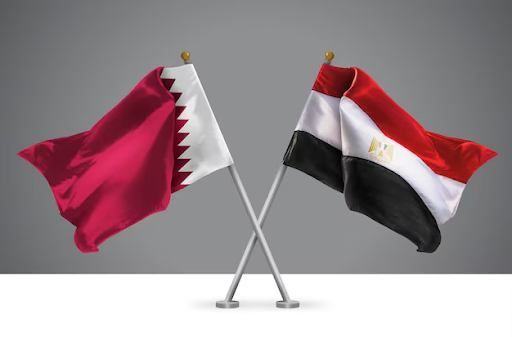
Qatar and Egypt are actively leveraging their status as ceasefire guarantors to pressure both Israel and Hamas toward implementing subsequent agreement phases. Meeting on Saturday, officials from both nations stressed the importance of continuing implementation efforts while acknowledging the substantial obstacles that remain.
The guarantor role provides these nations with unique standing to hold parties accountable for commitments and mediate disputes over interpretation. Qatari Premier Sheikh Mohammed bin Abdulrahman Al Thani described efforts to “force the way forward” for the next phase, indicating willingness to apply pressure rather than merely facilitate dialogue. This activist approach reflects recognition that passive mediation proves insufficient.
Egypt’s geographical proximity to Gaza and control over the Rafah crossing provides tangible leverage for influencing implementation. Foreign Minister Badr Abdelatty’s insistence that Rafah serve only as an aid entry point, not a displacement gateway, demonstrates Egypt’s willingness to assert positions that may contradict Israeli preferences. This assertiveness marks an important shift from purely neutral mediation.
Qatar’s role reflects its broader regional diplomacy positioning as a bridge between Western interests and Middle Eastern actors. The nation’s relationship with various Palestinian factions, including Hamas, provides channels for communication and influence that other mediators lack. This unique positioning makes Qatari pressure particularly significant for Palestinian compliance considerations.
Both nations emphasize that temporary ceasefire measures must transition toward lasting solutions providing justice for both populations. This framing acknowledges that guarantor responsibilities extend beyond merely maintaining current quiet to facilitating genuine conflict resolution. The success of their efforts will determine whether the ceasefire represents merely a pause in fighting or the foundation for sustainable peace.