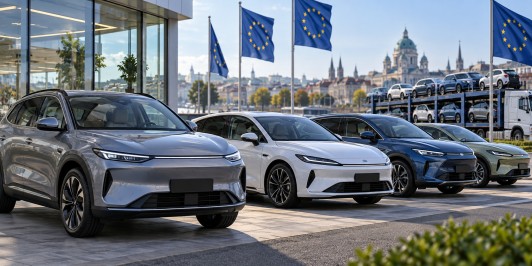
The surge in sales of Chinese-made hybrid vehicles in the European Union is drawing attention in Brussels, as these cars present increasing competition to European automakers. In the first seven months of 2026 alone, the sales of Chinese fully hybrid vehicles skyrocketed to 160,662 units, a dramatic increase from just 659 units in 2022. Similarly, sales of Chinese plug-in hybrids rose significantly from 56,706 in 2022 to 217,764 during the same period this year.
This growth trend follows the European Union’s 2024 imposition of anti-subsidy tariffs on Chinese electric vehicles, a measure from which hybrid vehicles were exempt. The absence of tariffs on hybrids has contributed to their growing presence in the European market, prompting the European Commission to request that China voluntarily limit its hybrid exports to the EU. Should negotiations fail, the EU may consider implementing safeguard measures, potentially including quotas.
Chinese manufacturers such as BYD, Chery, and Leapmotor have seen robust growth in the European market, with Geely maintaining its status as the largest Chinese automotive group in the region. BYD’s sales in the EU have reached approximately 177,000 vehicles, reflecting a sharp year-on-year rise. Meanwhile, Geely sold around 205,000 vehicles in the first eight months of 2026, although European manufacturers still hold the largest overall market share.
Hybrids now make up approximately 37% of the European car market, with fully electric vehicles accounting for just over 21%. The influx of Chinese hybrid vehicles occurs amid broader EU efforts to address trade imbalances with China while safeguarding the competitiveness of its own automotive sector.