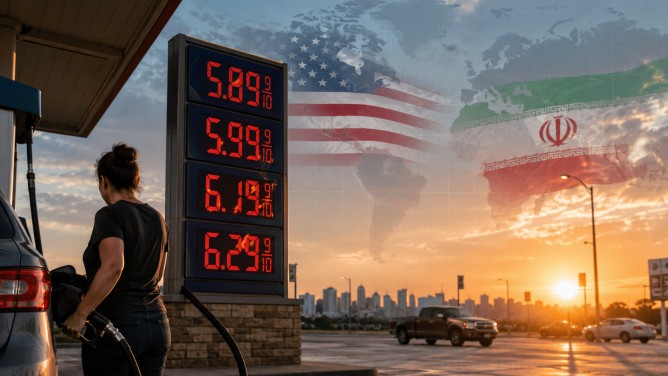
Gasoline prices in the United States have surged to record highs for the month of August, reaching an average of $4.06 per gallon nationwide. This marks an increase of about 5 cents from the previous week and is approximately $1 more than the same time last year. The surge comes as diplomatic negotiations between the United States and Iran have stalled, with rising tensions around the Strait of Hormuz adding to global energy supply concerns. States like California and Hawaii are experiencing even steeper prices, with averages climbing to around $5.50 per gallon.
The escalation in fuel costs is closely linked to ongoing disruptions in the Strait of Hormuz, a critical passageway for global oil shipments, in the wake of the US-Israel conflict with Iran. This situation has kept oil prices high, with Brent crude reaching as much as $112 a barrel before experiencing a slight drop, although it remains significantly higher than last year. Previously, gasoline prices had seen a temporary dip as short-lived agreements eased tensions between the US and Iran. However, the recent breakdown in negotiations and the potential for a prolonged conflict have reversed this trend, causing prices to rise once again.
The latest price increase follows the failure of the United States and Iran to conclude an agreement on Iran’s nuclear program within a 60-day diplomatic timeframe. Further exacerbating the situation, former President Trump has issued new threats against Oman, heightening fears of further regional instability. The pressure of higher fuel costs is compounding the financial strain on American households, which are already grappling with elevated living expenses. Reports indicate that in the past six months, Americans have spent tens of billions more on gasoline than they would have without the conflict.
These persistent fuel price hikes could contribute to renewed inflationary pressures if energy costs remain elevated over an extended period. As households continue to bear the brunt of these increased costs, concerns are mounting over the broader economic impact. The ongoing diplomatic impasse and regional tensions underscore the vulnerability of global energy markets to geopolitical developments, leaving consumers and economies worldwide on edge.