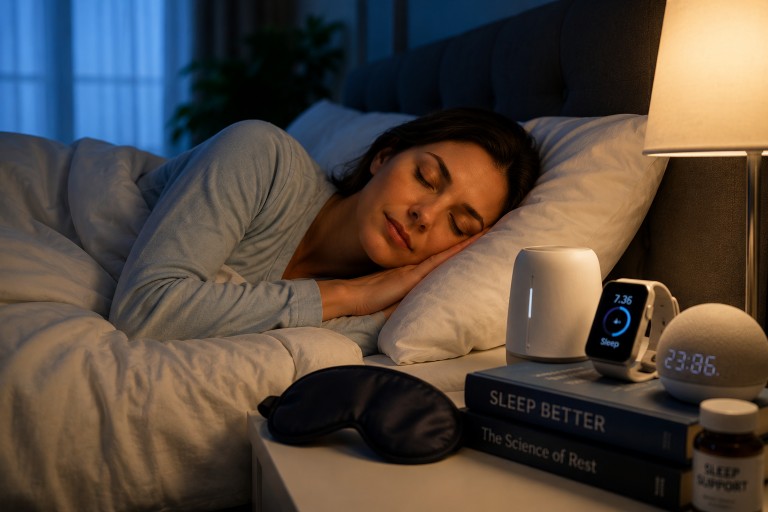
As the quest for a better night’s sleep intensifies, consumers are increasingly investing in a variety of sleep-enhancing products. The market is awash with gadgets like smartwatches, sleep-tracking apps, advanced mattresses, weighted blankets, and even cooling technology. Despite the allure of these products, experts caution that they cannot substitute the basic principles of good sleep hygiene. Factors such as stress, excessive screen time, inconsistent routines, noise, uncomfortable room temperatures, and untreated sleep disorders can still disrupt sleep, regardless of the sophistication of sleep aids.
While products such as comfortable mattresses or wearable trackers can optimize the sleep environment and offer insights into sleep patterns, they have their limitations. Persistent issues like stress, anxiety, noise, irregular work hours, or sleep disorders often require more comprehensive solutions. Moreover, an excessive focus on sleep technology can exacerbate anxiety about achieving “perfect” sleep, a phenomenon known as orthosomnia, where individuals become overly concerned with sleep metrics to the detriment of their relaxation and sleep quality.
The burgeoning interest in sleep has fueled an expanding market known as the sleep economy, which goes beyond traditional bedding. Now, there are wearable trackers, sleep apps, smart beds, and wellness programs available. Additionally, wellness-centric hotels and sleep retreats are gaining traction, underscoring a cultural shift towards viewing sleep as a vital component of health rather than merely downtime.
Gadgets can offer a snapshot of sleep patterns, but they fall short in diagnosing or solving all sleep issues. Problems such as job stress, anxiety, late-night screen activities, caffeine consumption, shifting schedules, and certain health conditions can impede quality sleep. Simultaneously, the “sleepmaxxing” trend, which promotes using various methods to optimize sleep, is gaining momentum online. While some aspects of this trend are beneficial, experts warn against turning sleep into a competitive pursuit.
Ultimately, the most effective strategy for achieving better sleep may lie in simple, consistent habits. Adhering to a regular sleep schedule, staying active, managing stress, and minimizing screen use before bed can significantly enhance sleep quality. Creating a conducive sleeping environment by ensuring the room is quiet, dark, and at a comfortable temperature also plays a critical role. Persistent or severe sleep issues, however, should not rely solely on consumer products for resolution; professional medical advice may be necessary for ongoing sleep difficulties, loud snoring, breathing interruptions, or excessive daytime fatigue.