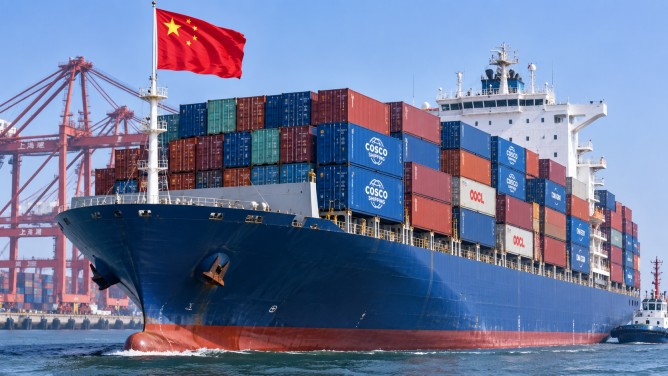
In an effort to bolster industrial modernization and enhance domestic consumption, China is set to increase its imports of advanced technology, key industrial components, energy resources, and high-quality agricultural products during the 15th Five-Year Plan, spanning from 2026 to 2030. The move is part of a broader strategy to provide Chinese consumers with a more diverse range of quality products from across the globe, as announced by the General Administration of Customs.
This initiative comes as China recorded double-digit growth in both imports and exports in the first half of the year, with imports growing faster than exports. The surge in imports is largely attributed to the rising domestic demand for advanced equipment, technology, and consumer goods. By diversifying the countries from which it sources these imports, China aims to further open its market and strengthen global economic cooperation.
A key component of this strategy involves expanding market access for overseas agricultural and food products. To facilitate this, China plans to streamline quarantine and import approval procedures. Already, since the beginning of the year, China has approved market access for 264 categories of agricultural and food products from 79 new countries, bringing the total number of countries and regions from which it imports food to over 150.
Chinese experts emphasize that this approach underscores the country’s commitment to greater market openness and diversified trade. By increasing imports, China seeks to meet the growing demand for industrial upgrades and higher-quality consumer goods, which in turn creates new opportunities for international exporters.
As domestic consumption continues to rise, officials anticipate that China’s expanding consumer market will offer even greater opportunities for global businesses. This aligns with the country’s broader goals of stimulating economic growth and fostering stronger international trade relationships.