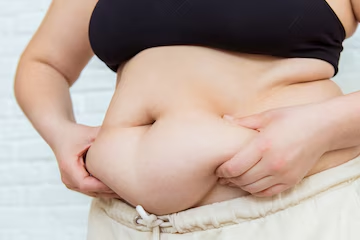
In the complex landscape of health and wellness, we’ve been conditioned to believe that all weight loss is created equal. However, gastroenterology specialists are highlighting a critical distinction that most people completely overlook: the difference between soft subcutaneous fat and hard visceral fat, and why this texture difference matters infinitely more than the number on your bathroom scale.
The assessment is remarkably straightforward. Use your hands to apply gentle pressure across various areas of your abdomen. A soft, yielding sensation—where you can easily gather folds of skin and fat between your fingers—indicates predominantly subcutaneous adipose tissue. This fat layer sits just beneath your skin’s surface, above the muscular abdominal wall. While excessive amounts contribute to overall obesity-related health concerns, subcutaneous fat remains relatively metabolically inactive and doesn’t directly threaten organ function.
A firm or hard belly presents an entirely different health scenario. This texture betrays the presence of visceral fat, which has accumulated deep within your abdominal cavity rather than under your skin. Medical imaging of individuals with visceral obesity reveals fat deposits surrounding the liver, wrapping around the pancreas, infiltrating the mesentery that supports the intestines, and filling spaces throughout the peritoneal cavity. This fat distribution pattern carries exponentially higher health risks than equivalent amounts of subcutaneous fat.
Visceral adipose tissue functions as more than passive energy storage—it behaves as an active metabolic organ with destructive capabilities. It constantly releases pro-inflammatory cytokines, adipokines, and free fatty acids directly into portal circulation, creating a toxic metabolic environment. These substances interfere with insulin signaling at cellular receptors, promoting insulin resistance that can progress to type 2 diabetes. The liver becomes overwhelmed with fatty acids and develops steatosis, impairing its ability to regulate glucose metabolism, synthesize proteins, and detoxify harmful substances.
Your cardiovascular system suffers equally severe consequences. Chronic inflammation damages the delicate endothelial lining of blood vessels, promotes atherosclerotic plaque formation, and elevates blood pressure through multiple neurohumoral pathways. The solution lies not in extreme caloric restriction or punishing exercise regimens but in sustainable habit formation: restructure your diet around whole food protein sources and vegetables, establish daily movement practices that feel sustainable rather than torturous, and recognize that adequate sleep duration and quality are essential for metabolic healing and hormonal regulation.